
AIRWAY DISORDERS
Specialized Care for Complex Airway Conditions
Focused evaluation and treatment for conditions affecting the upper airway, subglottis, and trachea, using advanced diagnostic techniques and minimally invasive approaches where appropriate.


Subglottic Stenosis
When the Airway Becomes Narrow
Subglottic stenosis is a narrowing of the airway just below the vocal folds that can restrict normal airflow. It may develop following intubation, inflammation, trauma, or other airway conditions. Symptoms can gradually worsen and may become more noticeable during physical activity. A detailed airway evaluation helps determine the location and severity of the narrowing. Treatment is tailored according to the underlying cause and individual airway characteristics.
Symptoms
- Shortness of breath
- Noisy or high-pitched breathing
- Difficulty breathing during exercise
- Reduced exercise tolerance
- Persistent breathing discomfort

Tracheal Stenosis
Understanding Airway Narrowing
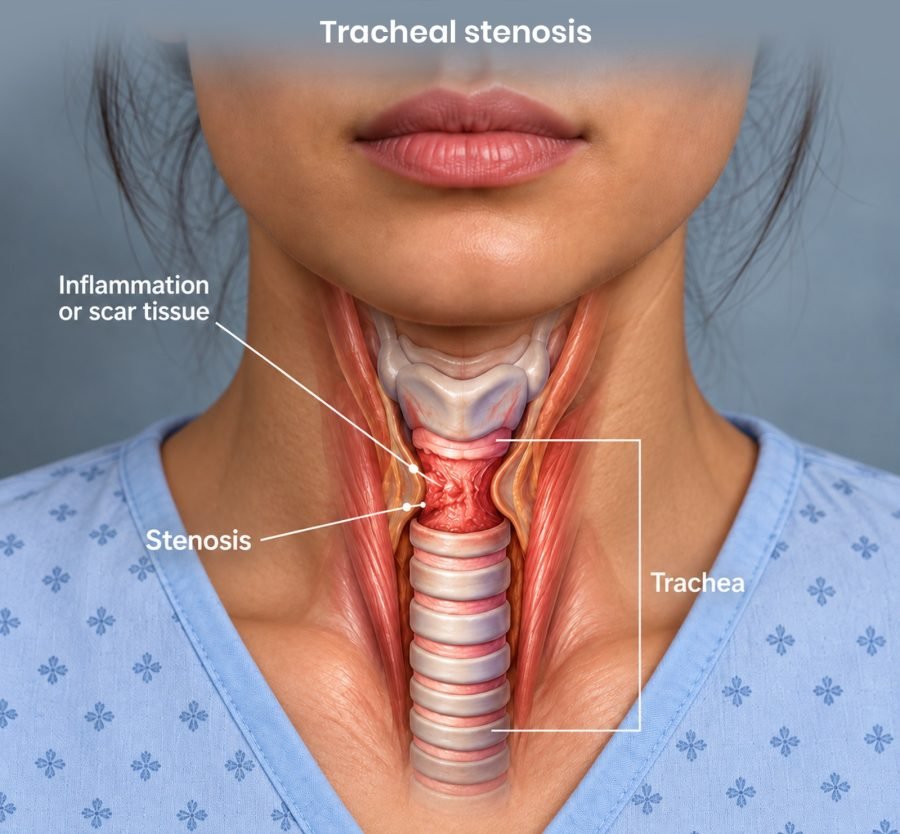
Tracheal stenosis occurs when a section of the trachea becomes abnormally narrow, making it harder for air to pass normally. It can occur after prolonged intubation, surgery, trauma, inflammation, or other structural changes. Symptoms may develop gradually and can sometimes resemble other respiratory conditions. Detailed visualization and appropriate imaging help assess the extent of the narrowing. Treatment is selected based on the location, severity, and cause of the stenosis.
Symptoms
- Shortness of breath
- Noisy breathing
- Persistent cough
- Difficulty breathing during activity
- Reduced exercise tolerance
Laryngomalacia
Understanding Infant Airway Softness
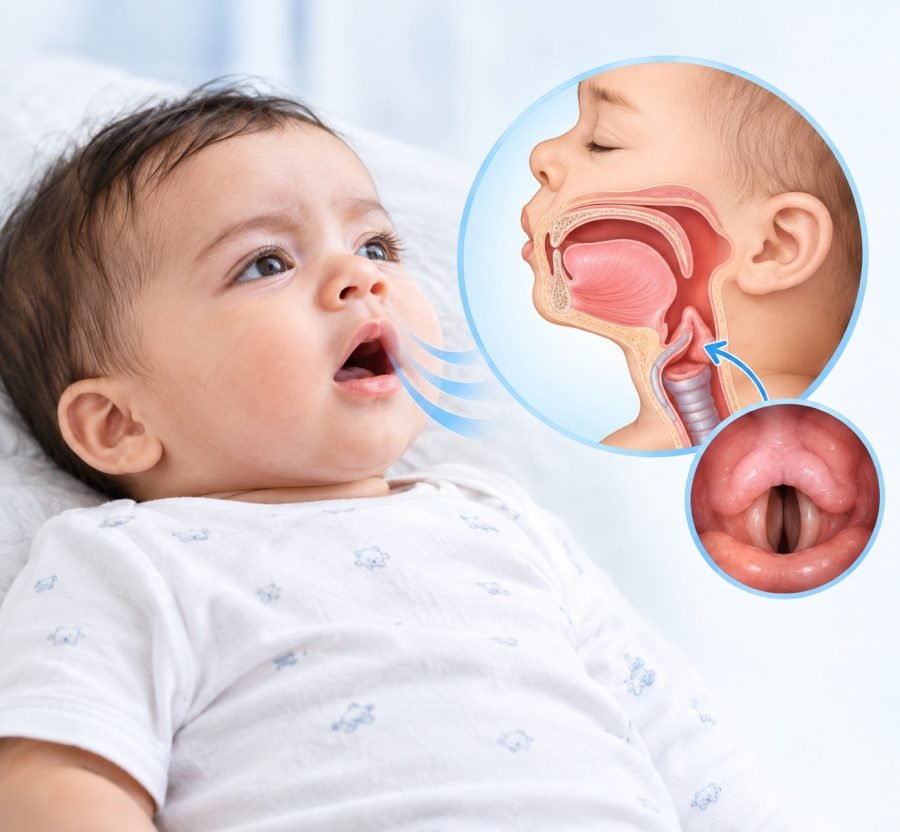
Laryngomalacia is a condition in which the tissues above the voice box are softer than usual and can fall inward during breathing. It is the most common cause of noisy breathing in infants and often becomes noticeable during the first weeks of life. The noisy breathing may become more prominent during feeding, crying, or when the baby is lying down. Most cases improve naturally as the airway develops, while some infants may require further evaluation and treatment depending on the severity of symptoms.
Symptoms
- Noisy breathing, especially during inhalation
- Breathing that becomes louder during feeding or crying
- Difficulty with feeding
- Poor weight gain
- Choking or coughing during feeds
Airway Lesions
Precise Evaluation of Airway Abnormalities
Airway lesions are abnormal growths, tissue changes, or structural abnormalities that can affect the normal airway passage. Some lesions may produce minimal symptoms, while others can interfere with airflow or cause persistent respiratory complaints. Detailed endoscopic examination can help identify their location, size, and characteristics. Additional investigations may be recommended depending on the clinical findings. Treatment varies according to the nature of the lesion and its effect on airway function.
Symptoms
- Persistent cough
- Breathing difficulty
- Noisy breathing
- Shortness of breath
- Changes in voice or breathing
Breathing Difficulties
Understanding the Cause Behind Difficult Breathing
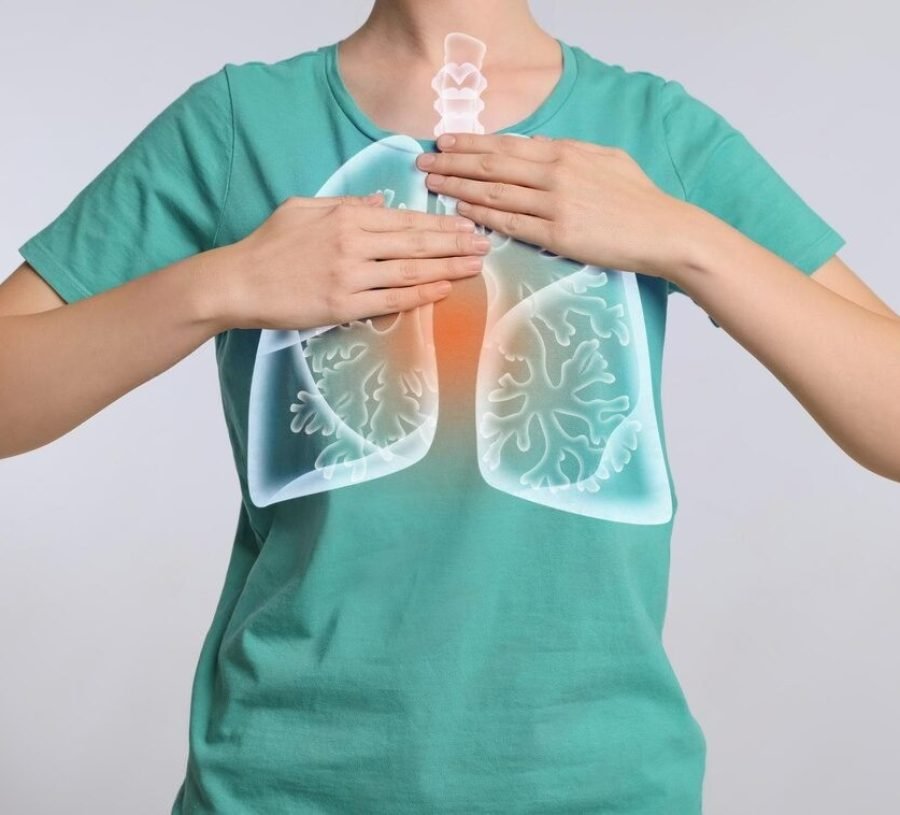
Breathing difficulties can occur when airflow through the upper airway, subglottis, or trachea is affected by narrowing, obstruction, inflammation, or other conditions. Symptoms may appear gradually or become more noticeable during physical activity. Identifying the underlying cause is important because different airway conditions require different approaches to treatment. A comprehensive assessment helps determine whether the symptoms are related to an airway disorder. Treatment is then planned according to the specific diagnosis and severity.
Symptoms
- Shortness of breath
- Difficulty taking a full breath
- Noisy breathing
- Reduced exercise tolerance
- Breathing difficulty during activity

Complex Airway Disorders
Specialized Care for Challenging Airway Conditions
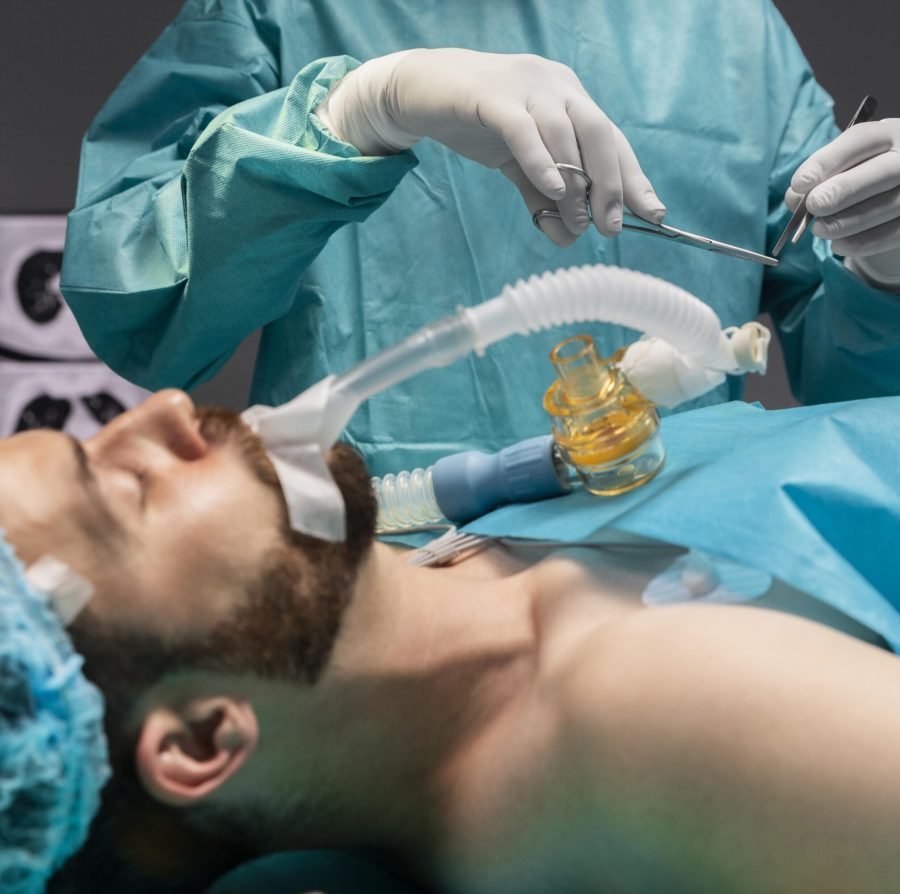
Complex airway disorders can involve multiple areas of the airway or develop following previous procedures, injury, inflammation, or other conditions. These cases may require detailed assessment of airway structure, function, and breathing symptoms. Advanced endoscopic evaluation can help determine the location and extent of the airway problem. Treatment is carefully planned according to the patient’s individual anatomy and clinical needs. Selected cases may benefit from minimally invasive or specialized airway procedures.
Symptoms
- Persistent breathing difficulty
- Noisy or high-pitched breathing
- Shortness of breath
- Reduced exercise tolerance
- Recurrent airway symptoms
Emergency Call
(+91) 98852 95570
FREQUENTLY ASKED QUESTIONS
Your Voice Questions, Answered
Airway disorders are conditions that affect the normal passage of air through the upper airway, subglottis, or trachea. They may cause narrowing, obstruction, breathing difficulty, or noisy breathing.
Common symptoms include shortness of breath, noisy or high-pitched breathing, difficulty breathing during activity, reduced exercise tolerance, persistent cough, and a feeling of restricted airflow.
Diagnosis may involve a detailed clinical evaluation, video laryngoscopy, endoscopic airway examination, bronchoscopy, imaging, and other tests when clinically appropriate. The specific evaluation depends on the symptoms and suspected condition.
Some airway conditions can be treated using minimally invasive or endoscopic procedures, such as balloon dilatation or laser-assisted techniques. The appropriate treatment depends on the cause, location, severity, and characteristics of the airway condition.
Some airway conditions, particularly certain forms of stenosis, can recur after treatment. Regular follow-up helps monitor the airway, assess breathing function, and identify any recurrence early.