
Swallowing Disorders
Specialized Care for Swallowing Difficulties
Comprehensive evaluation and management of swallowing difficulties and related functional disorders, with a focus on accurate diagnosis, personalized treatment, and improving safe and effective swallowing.


Dysphagia
When Swallowing Becomes Difficult
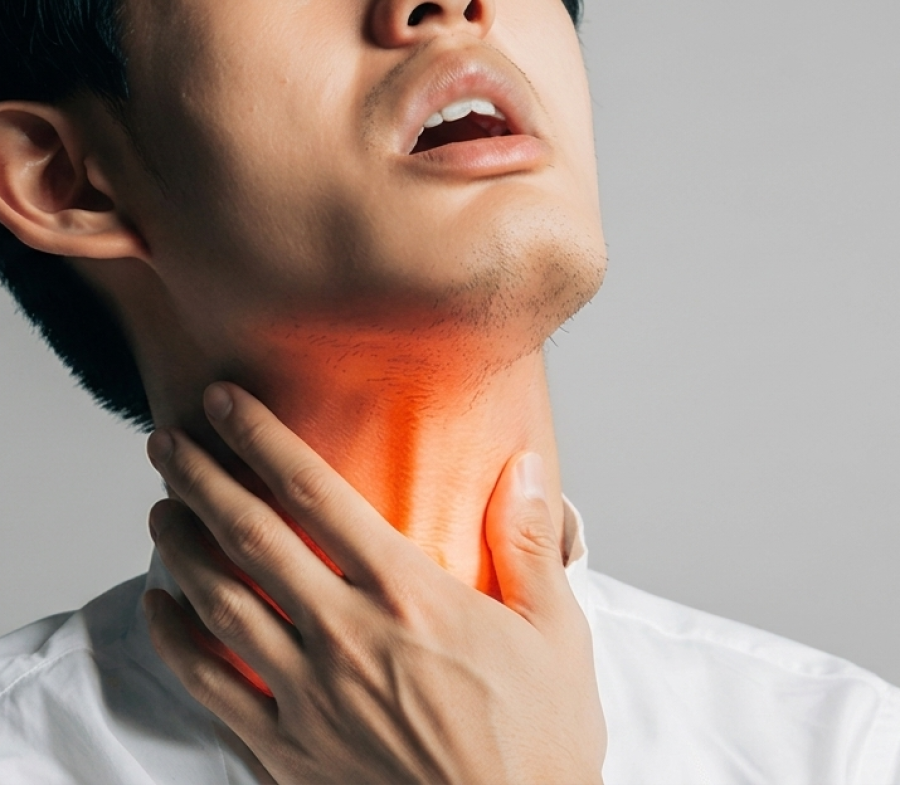
Dysphagia refers to difficulty moving food or liquids safely and effectively through the mouth and throat. It can occur due to changes in muscle strength, coordination, nerve function, or structural problems. Symptoms may affect eating, drinking, nutrition, and overall quality of life. A detailed swallowing evaluation helps identify where the swallowing process is affected. Treatment is tailored to the underlying cause and individual swallowing needs.
Symptoms
- Difficulty swallowing food or liquids
- Feeling that food is stuck in the throat
- Coughing while eating or drinking
- Frequent throat clearing
- Prolonged mealtimes
Aspiration
Protecting the Airway During Swallowing
Aspiration occurs when food, liquid, saliva, or other material enters the airway instead of passing safely into the digestive tract. It may occur with or without obvious coughing or choking. Repeated aspiration can affect respiratory health and may be associated with swallowing dysfunction. A detailed assessment can help determine whether the airway is adequately protected during swallowing. Appropriate management focuses on improving swallowing safety and reducing aspiration risk.
Symptoms
- Coughing or choking during meals
- Wet or gurgly voice after swallowing
- Frequent throat clearing
- Breathing changes during or after meals
- Recurrent chest or respiratory symptoms

Swallowing Difficulties
Making Every Swallow More Comfortable
Swallowing difficulties can affect the ability to eat and drink comfortably, efficiently, and safely. They may involve problems with chewing, moving food through the throat, or coordinating the swallowing process. Symptoms can be occasional or persistent and may vary depending on the type and severity of the problem. Identifying the underlying cause is important for selecting appropriate management. Individualized strategies can help improve swallowing function and confidence during meals.
Symptoms
- Difficulty swallowing solids or liquids
- Food sticking in the throat
- Coughing or choking during meals
- Difficulty managing saliva
- Taking longer than usual to finish meals

Throat Clearance Problems
Understanding Persistent Throat Symptoms
Frequent throat clearing can sometimes be associated with swallowing difficulties or problems managing secretions. It may occur when saliva, mucus, food residue, or other material remains in the throat after swallowing. Persistent throat clearing may also have other underlying causes and should be evaluated when it continues or interferes with daily activities. A comprehensive assessment helps determine whether swallowing function or another condition is contributing to the symptoms. Management is based on the underlying cause and individual clinical findings.
Symptoms
- Frequent throat clearing
- Sensation of mucus in the throat
- Feeling of residue after swallowing
- Coughing after eating or drinking
- Wet or gurgly voice

FEES Assessment
A Closer Look at Your Swallowing Function
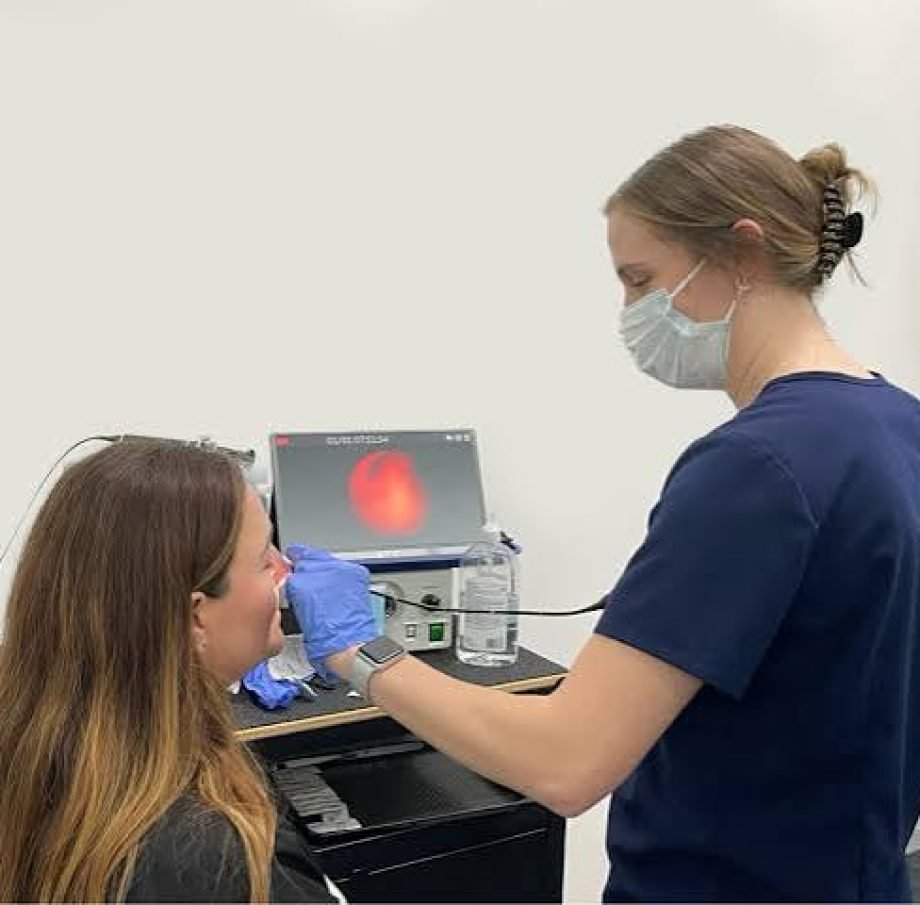
Fiberoptic Endoscopic Evaluation of Swallowing, or FEES, is a specialized assessment that provides direct visualization of the throat and laryngeal structures during swallowing. It can help evaluate how food and liquids move through the throat and whether material enters the airway. The assessment may provide valuable information about swallowing safety, airway protection, and residue after swallowing. Findings can help guide personalized swallowing management. FEES is performed when clinically appropriate based on the patient’s symptoms and evaluation.
What FEES Can Assess
- Swallowing safety
- Airway protection
- Food or liquid residue
- Aspiration risk
- Throat and laryngeal function
FREQUENTLY ASKED QUESTIONS
Your Voice Questions, Answered
Dysphagia is the medical term for difficulty swallowing. It can affect the movement of food or liquids through the mouth and throat and may occur for different medical, neurological, muscular, or structural reasons.
You should consider an evaluation if swallowing problems are persistent or recurring, particularly if you experience frequent choking, coughing while eating, food sticking in the throat, unexplained weight loss, or changes in your ability to eat and drink comfortably.
FEES stands for Fiberoptic Endoscopic Evaluation of Swallowing. It uses a small flexible endoscope to directly visualize the throat and laryngeal structures while swallowing and can help assess swallowing safety and airway protection.
Not necessarily. Occasional coughing can happen for many reasons, but frequent coughing or choking during meals may indicate difficulty with swallowing or airway protection and may warrant further evaluation.
Many swallowing disorders can be managed depending on their underlying cause. Treatment may include swallowing therapy, dietary modifications, compensatory techniques, management of contributing conditions, and coordinated care with other specialists when appropriate.
Emergency Call
(+91) 98852 95570